7 Oct 2026
Shifts in Player Engagement Driven by Evolving Spin Reward Structures in Regulated Markets
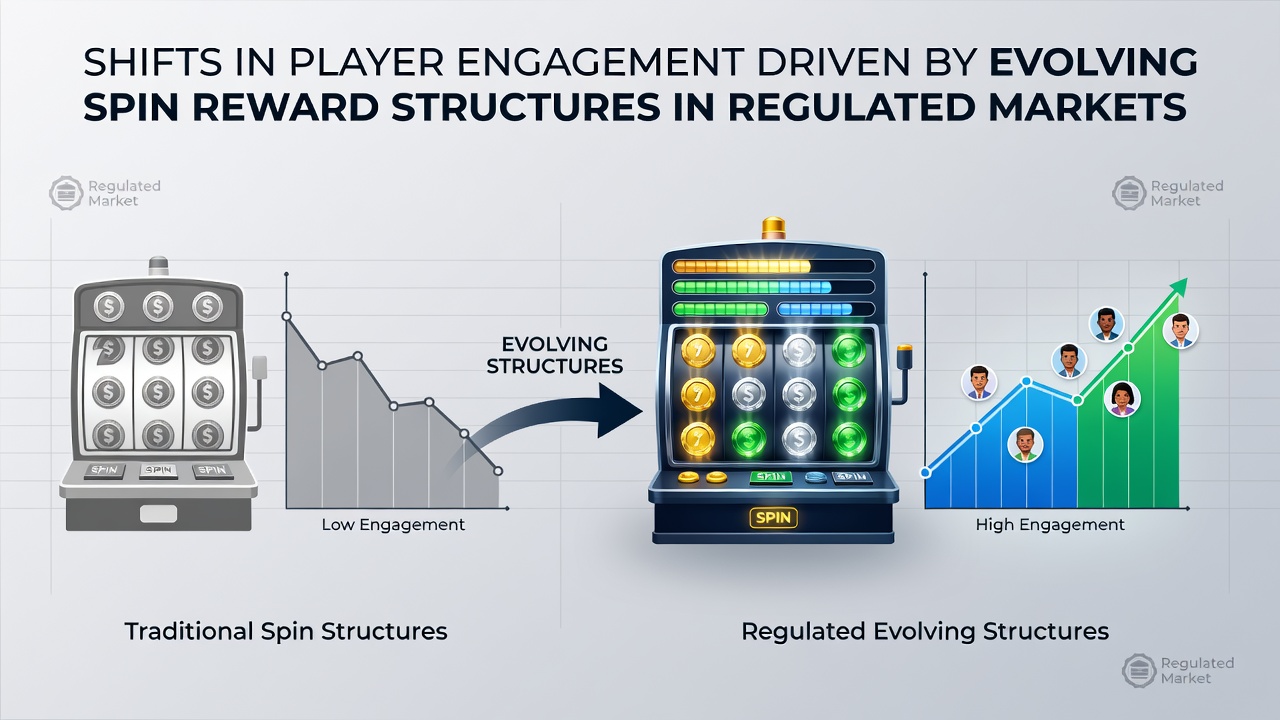
Regulated markets have seen measurable changes in how players interact with online casino platforms as operators refine spin reward structures over successive regulatory cycles, and data from multiple jurisdictions indicates these adjustments correlate with shifts in session duration, return visit rates, and deposit patterns. In October 2026 several state and national regulators released updated compliance filings that track these metrics, revealing patterns tied directly to modifications in free spin allocation methods, eligibility thresholds, and integration with loyalty tiers.
Regulatory Frameworks Shaping Reward Evolution
Market authorities in the United States, Canada, and Australia have introduced layered reporting requirements that force operators to document how spin rewards influence player behavior, and these obligations have prompted platforms to replace flat-rate bonus distributions with dynamic models calibrated to individual play histories. Figures released by the New Jersey Division of Gaming Enforcement show average session lengths extended when rewards incorporated progressive multipliers rather than fixed spin counts, while similar filings from the British Columbia Lottery Corporation document comparable extensions in provinces that adopted real-time personalization rules during the same period.
Transition from Volume-Based to Behavior-Based Allocations
Early spin reward programs distributed fixed quantities of free spins upon deposit or registration, yet operators later shifted toward conditional triggers such as consecutive active days or specific game category participation, and regulatory filings confirm this transition coincided with changes in engagement curves across monitored accounts. Research reports from the University of Nevada, Las Vegas International Gaming Institute note that players in markets with behavior-linked rewards recorded higher rates of repeat logins within seven-day windows compared with accounts under static reward schedules, although total wager volumes remained stable when normalized for market size.
Platforms operating under these updated frameworks now embed spin rewards within multi-stage progress bars that unlock additional spins upon completion of defined objectives, and this structure appears in compliance documentation submitted to the Australian Communications and Media Authority as well as several European licensing bodies. The approach replaces blanket distribution with segmented delivery, which regulatory summaries link to more granular tracking of engagement intervals between reward redemptions.
Observed Changes in Engagement Indicators
Cross-jurisdictional comparisons compiled in October 2026 filings indicate that markets enforcing transparency around reward expiration dates and wagering requirements experienced steadier retention curves than those with less prescriptive disclosure rules. Data compiled by the Nevada Gaming Control Board tracks increased frequency of smaller, recurring deposits among players whose accounts received staggered spin releases tied to play milestones, whereas lump-sum reward models showed clustering around initial claim periods followed by longer inactivity gaps.
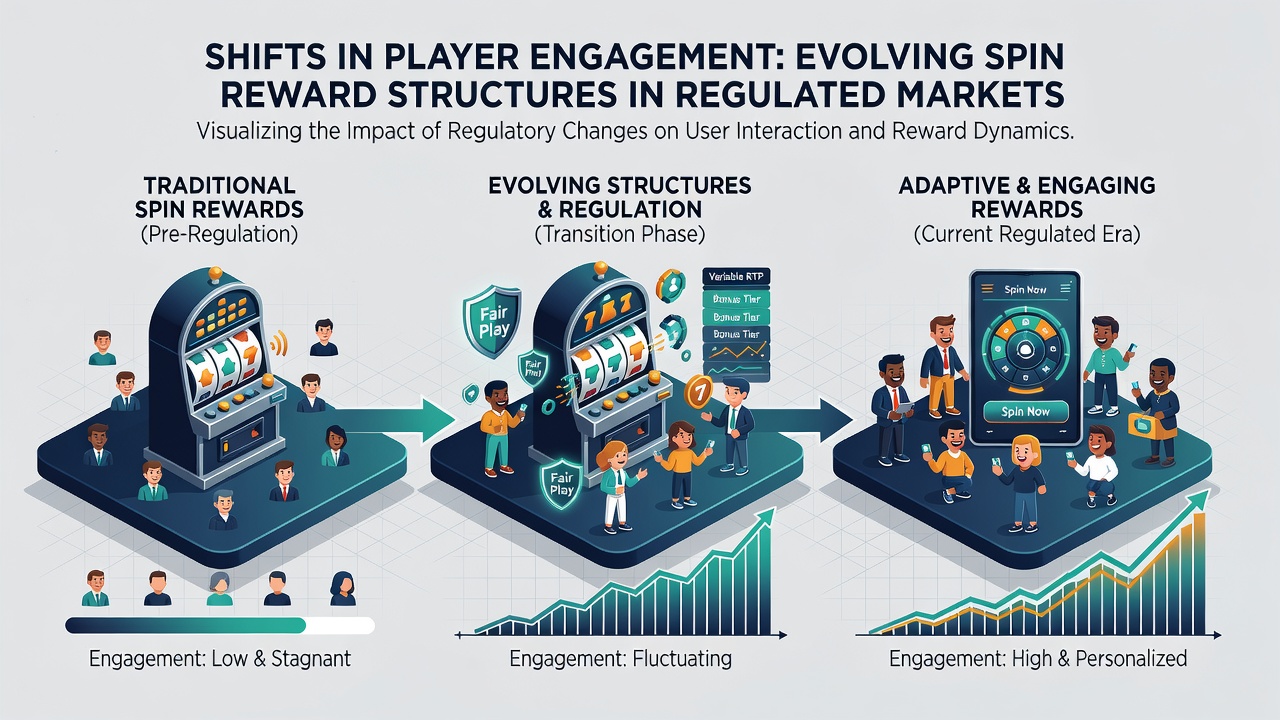
Operators report that integration of spin rewards with account-level risk scoring has reduced instances of rapid reward exhaustion followed by abrupt exits, and these adjustments align with requirements set by regulators who mandate periodic audits of bonus impact on player activity logs. Studies published through academic gaming research centers in Canada document that players exposed to evolving reward ladders maintained consistent daily active minutes across longer calendar spans than control groups receiving traditional fixed spin packages.
Geographic Variations in Implementation Outcomes
European markets operating under the Malta Gaming Authority licensing regime adopted unified standards for reward communication that require clear display of remaining spins and associated playthrough obligations, and subsequent compliance reports link these standards to reduced variance in session-to-session engagement levels. Meanwhile, Australian state regulators implemented mandatory cooling-off notifications triggered by reward accumulation thresholds, and available statistics show corresponding moderation in consecutive play streaks without overall decline in monthly active accounts.
North American jurisdictions that permit online casino operations continue to refine reward parameters through iterative rule updates, and October 2026 submissions to multiple gaming boards highlight ongoing experimentation with time-gated spin releases that activate during low-traffic hours to balance server load while sustaining player presence. These adjustments appear in regulatory summaries as responses to observed engagement plateaus rather than attempts to increase overall participation.
Conclusion
Regulated markets continue to generate detailed datasets on how spin reward structures affect player engagement metrics, and filings from diverse authorities demonstrate consistent correlations between reward personalization levels and patterns of return visits plus session continuity. As operators align systems with evolving compliance standards across regions, the documented shifts remain anchored in measurable indicators rather than speculative projections, with October 2026 reports providing the latest benchmark for ongoing analysis.